Cornish Mining
Educated at Falmouth School of Art, Jill Randall has a long association with Cornwall. She has returned to its special landscapes through her use of metals in her sculpture.
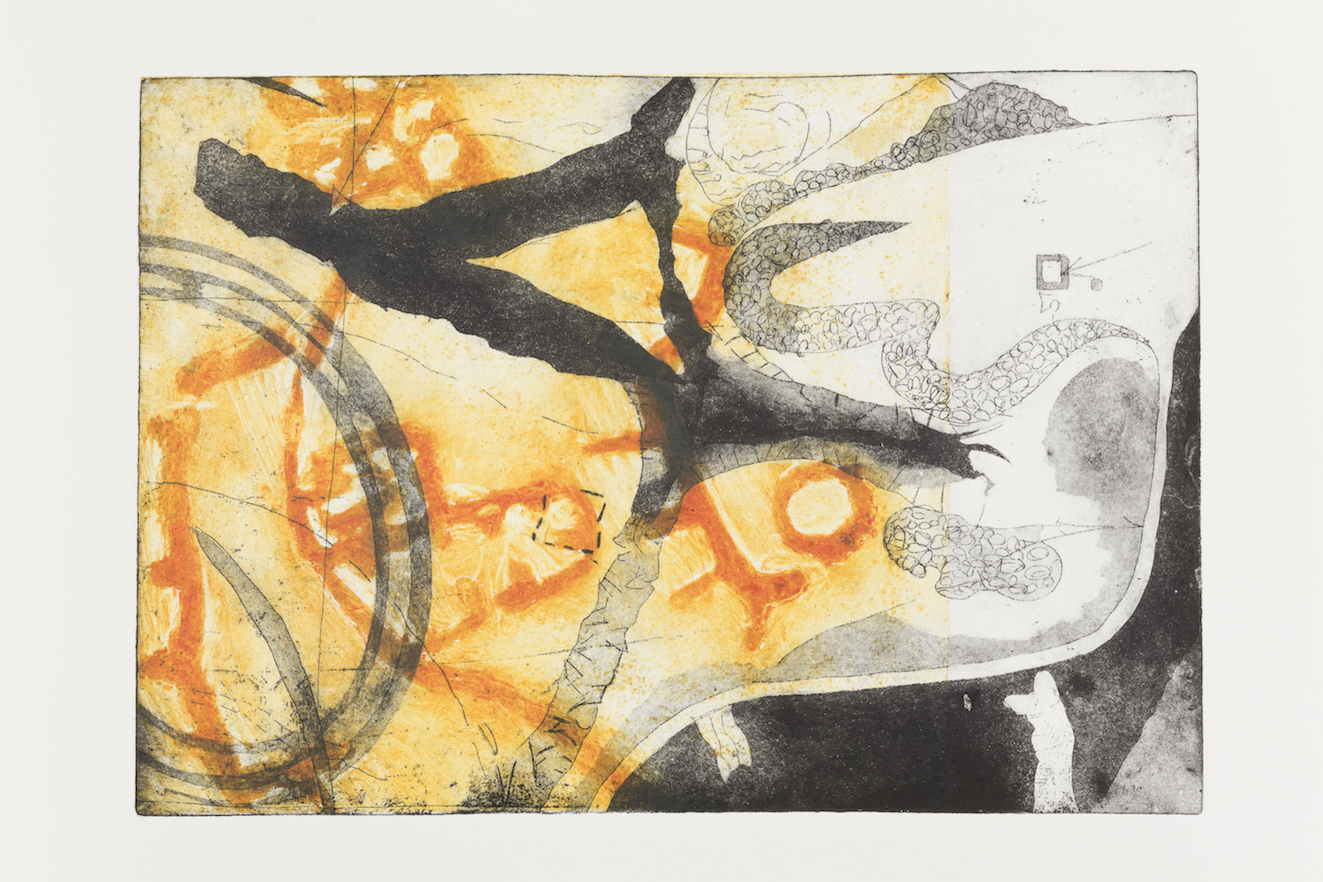
Cornish Mining World Heritage is one of the great industrial landscapes of the world. Cornwall has more derelict, post-industrial land than anywhere else in the UK, and a unique natural environment as a direct result of tin and copper-mining industry.
Over 30% of Cornwall’s prime wildlife sites contain abandoned metalliferous mining land. Many of these landscapes are being regenerated naturally with unusual and unique flora adapted to the specific soil conditions. Randall explores this unique post-industrial ecology as a different way of telling the story of mining in Cornwall, and uses her research to develop exhibitions, workshops and publications.
In 2016, Randall held the major solo exhibition, ‘Aftermath’, at Geevor Tin Mine World Heritage Site Museum, Pendeen, Cornwall, with over 30,000 visitors from all over the world. In 2017, she won a Santander Universities Travel Award to travel to sites of he Cornish metal mining diaspora in Australia and Mexico investigating both the physical ‘aftermath’ mining landscapes, and the transplantation of Cornish culture in these places.
In 2024, she was Artist-In-Residence at Brisons Veor Trust at Cape Cornwall, enabling her to explore and develop new work from the St Just Mining District .
In 2024, she held the major solo exhibition, ‘As Above, So Below’, at Cornwall Museum and Art Gallery, Truro, which toured to Roger Preston Gallery, Wheal Martyn Industrial Museum, Cornwall, in 2025. Much of the work exhibited was inspired by visits to sites of Cornish mining diaspora in Australia.
Photography: Jill Randall, Dave Bennett, Wheal Martyn Museum.